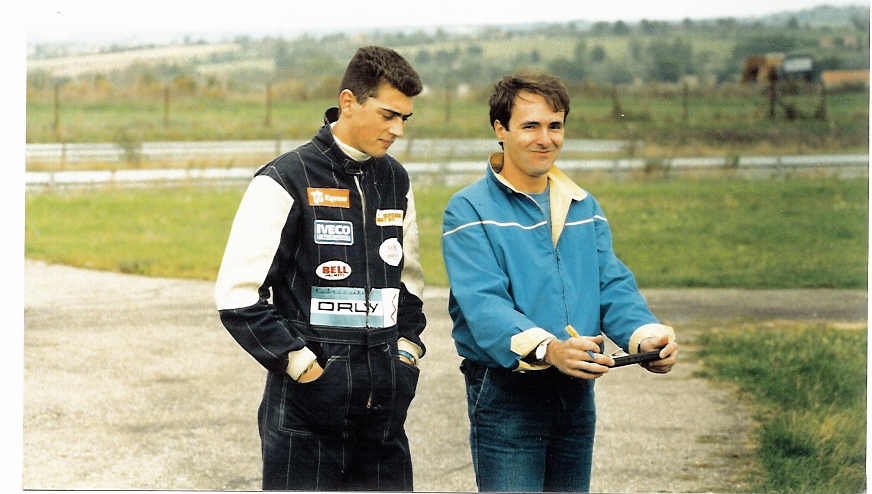
Racing performance is a system. Every component of that system is coachable.
Christian Boudon's Driver Performance Optimization program integrates physical preparation, technical understanding, data analysis, and mental performance into a single, documented coaching framework.
The Five Pillars
Driver
Physical preparation · Driving technique · Mental performance
Mechanic
Workshop protocol · On-track support · Preventable failure elimination
Engineering
Chassis dynamics · Data acquisition · Evidence-based setup
Team
Run-plan discipline · Session objectives · Debrief cadence
Management
Career planning · RPIW operating loop · Business operations
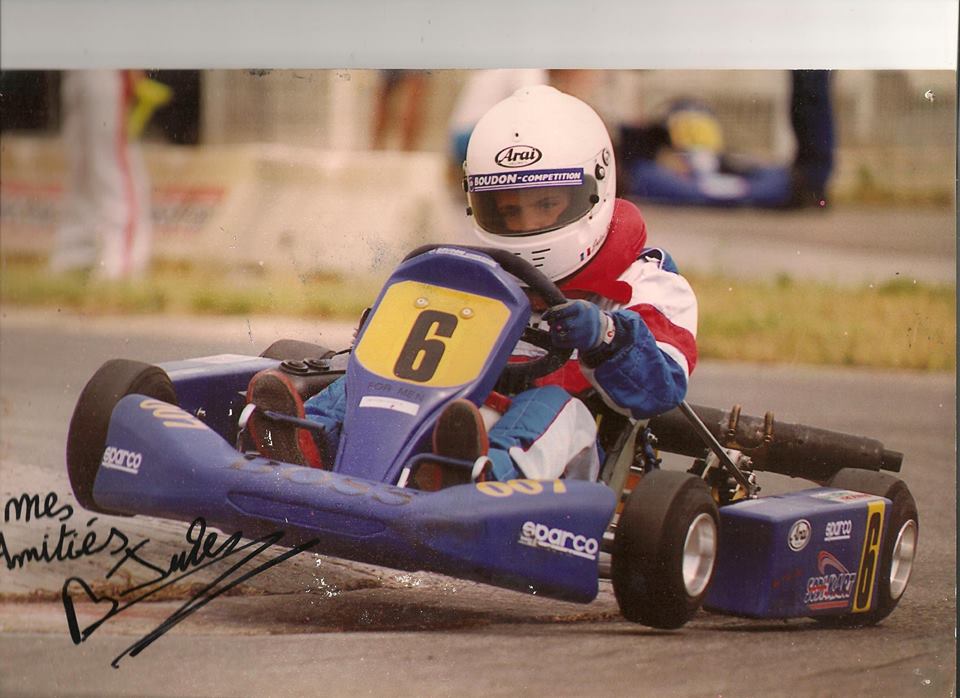
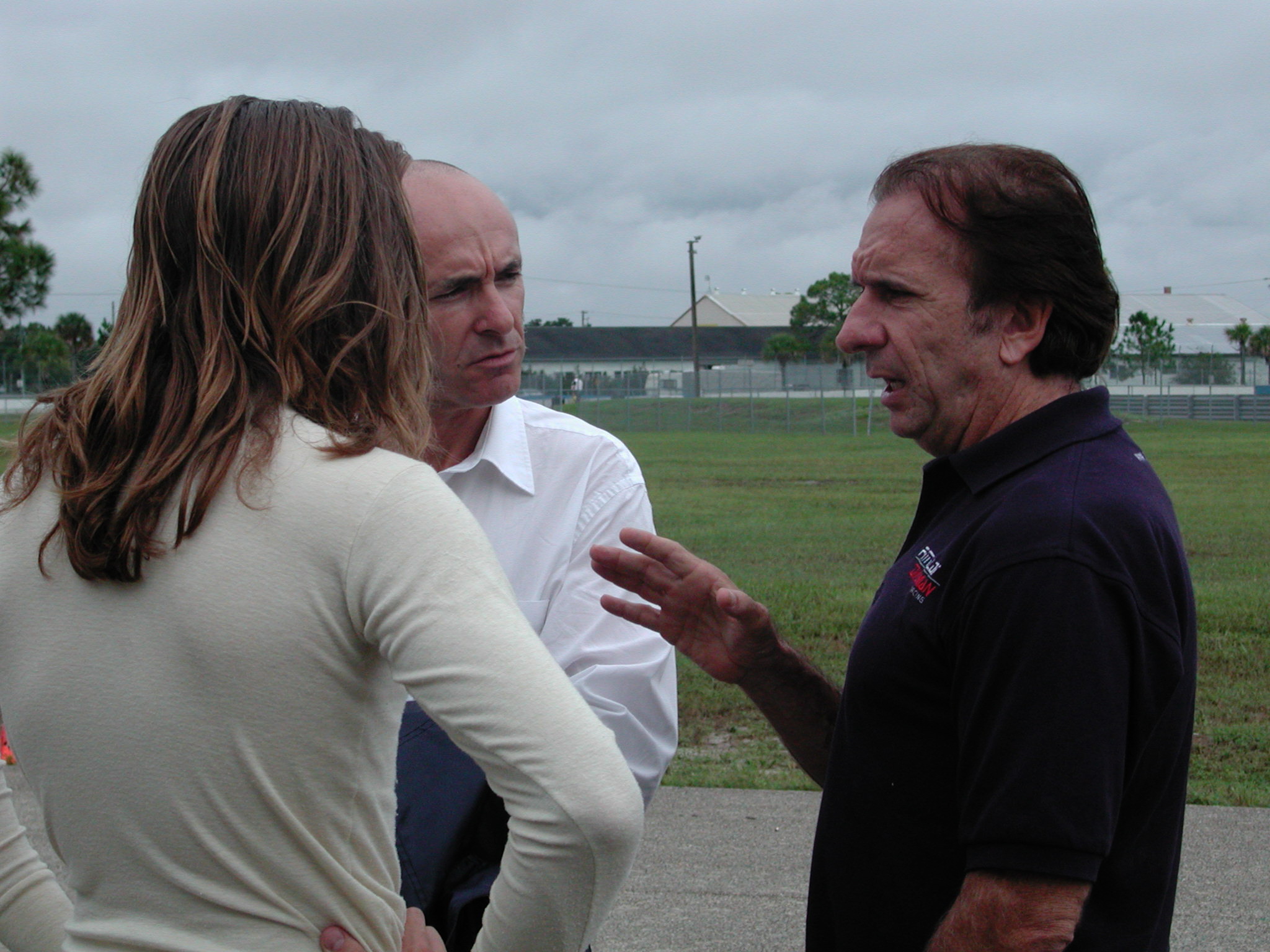
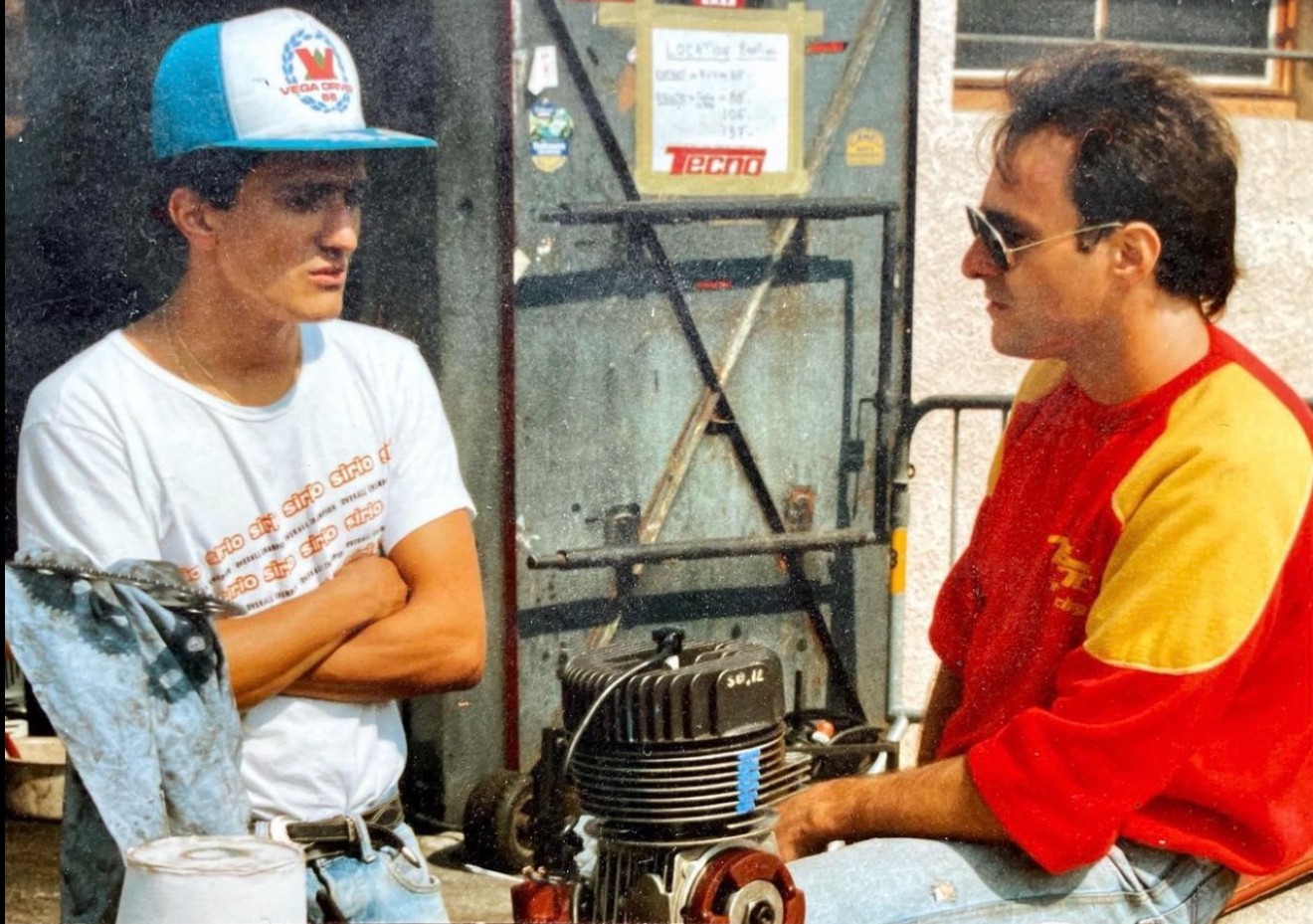
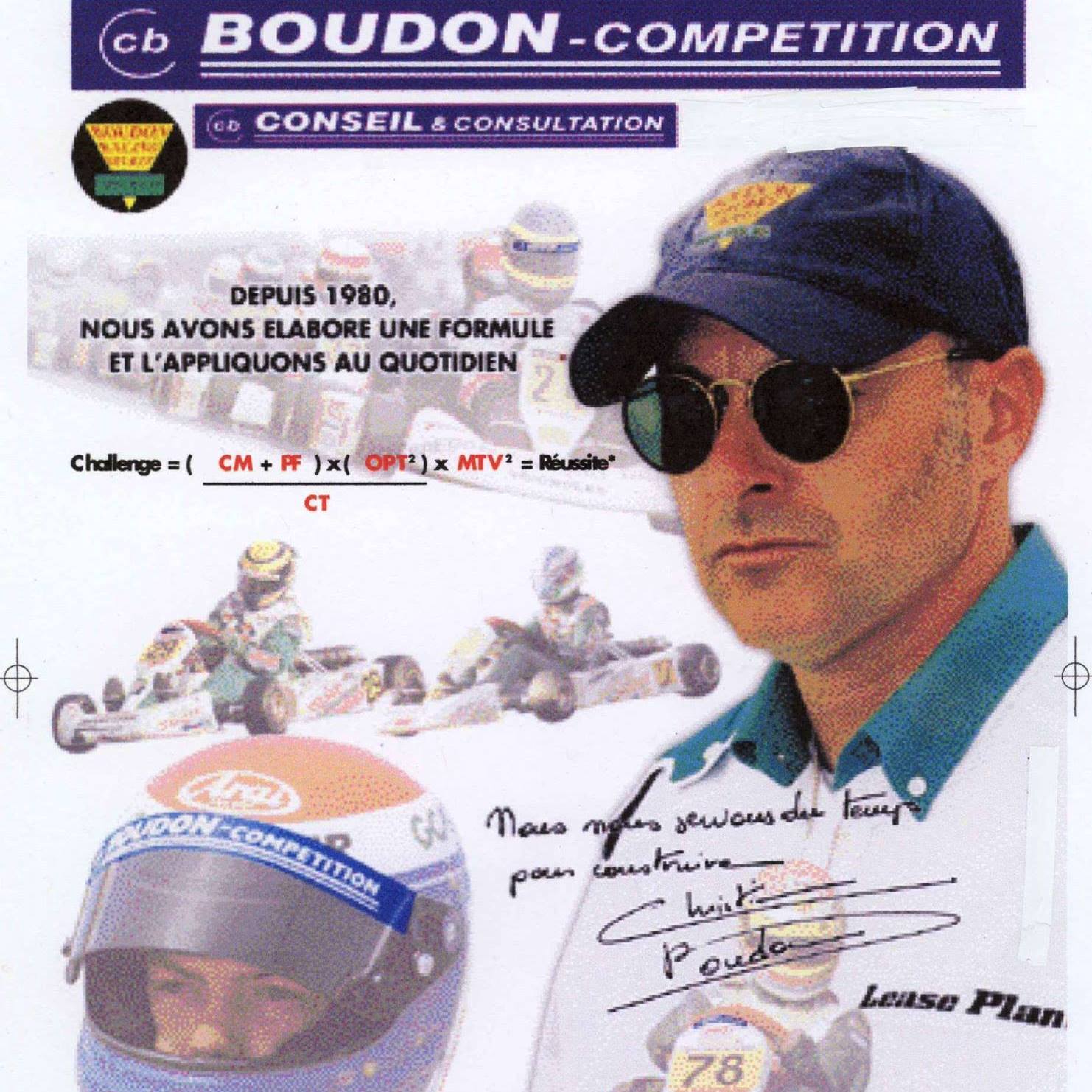
Every program begins with a structured evaluation.
Before any coaching recommendations are made, Christian conducts a comprehensive evaluation of the driver — physical capacity, driving style, on-track behavior, nutrition habits, and communication patterns. This is not a tryout. It is a diagnostic.
Standard evaluation
Three days — one day in a gym environment, two days on-track with a selected team. A confidential questionnaire is completed before the session begins.
Advanced evaluation (pre-season)
Conducted at the Military Hospital and Sports Facility in Lyon, France. Three days of physiological, biological, and psychological testing under professional medical supervision. Every driver who completes this evaluation receives a proprietary POWER vs. ENDURANCE POWER protocol — a specific training and nutrition program derived from their individual data.
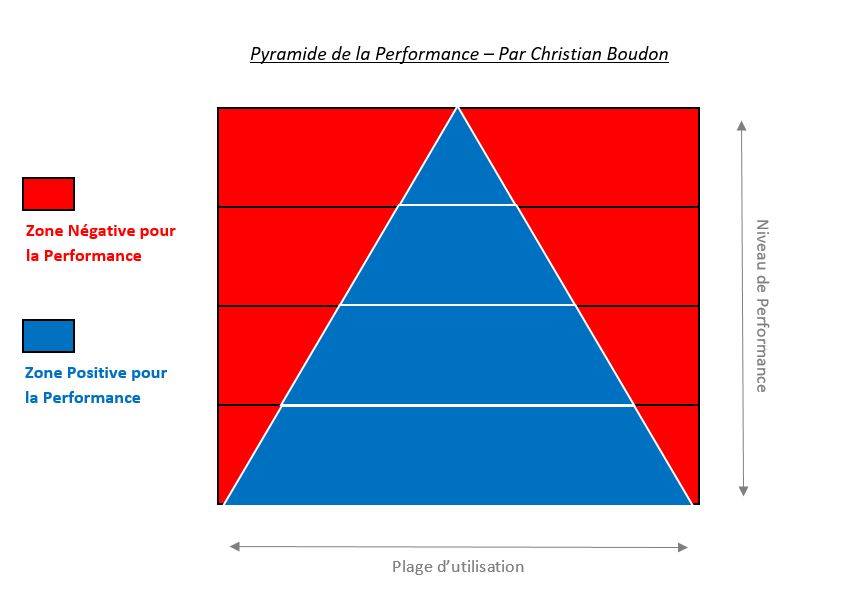
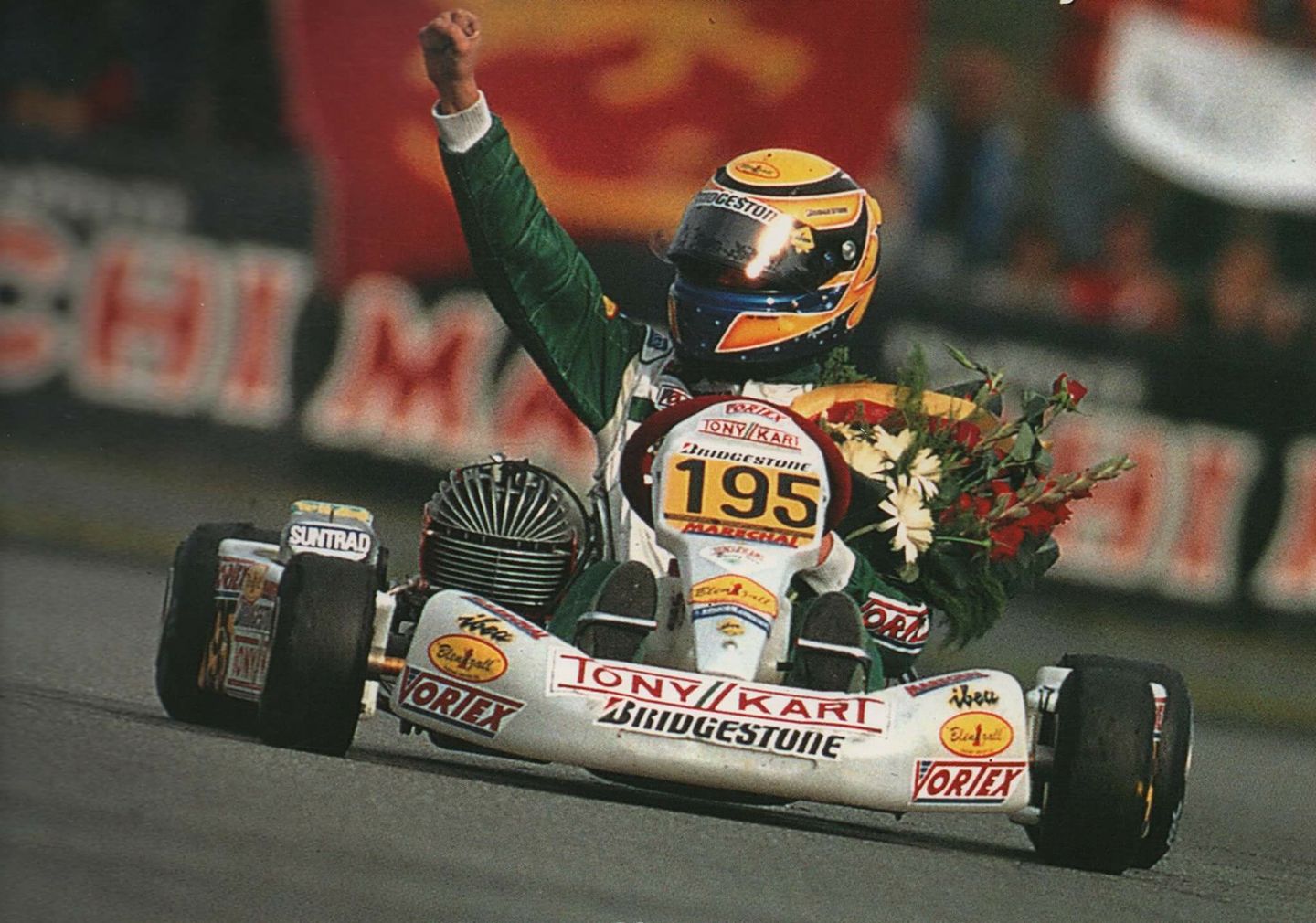
The methodology produces champions.
The numbers behind elite karting performance.
Christian's methodology is grounded in measured physical data collected across decades of elite-level competition. These are not estimates — they are benchmarks.
| Physical constraint | Measured benchmark |
|---|---|
| Lateral G-forces | Up to 3.5 G peak · 2.2 G sustained for 2 seconds |
| Vertical acceleration | Peaks at 7 G (microseconds) — spine and hip stress |
| Heart rate in race | Average 160+ BPM over 25 minutes |
| Heart rate in qualifying | Up to 210 BPM |
| Breath-hold (race) | ~50% of a 25-lap race duration |
| Breath-hold (qualifying) | >70% of lap duration |
Training protocols address core and neck musculature, hand and forearm strength, VO2max, cardiovascular conditioning, and apnea performance. Muscle mass is deliberately limited — the anaerobic racing environment penalizes excess mass that adds no functional performance.
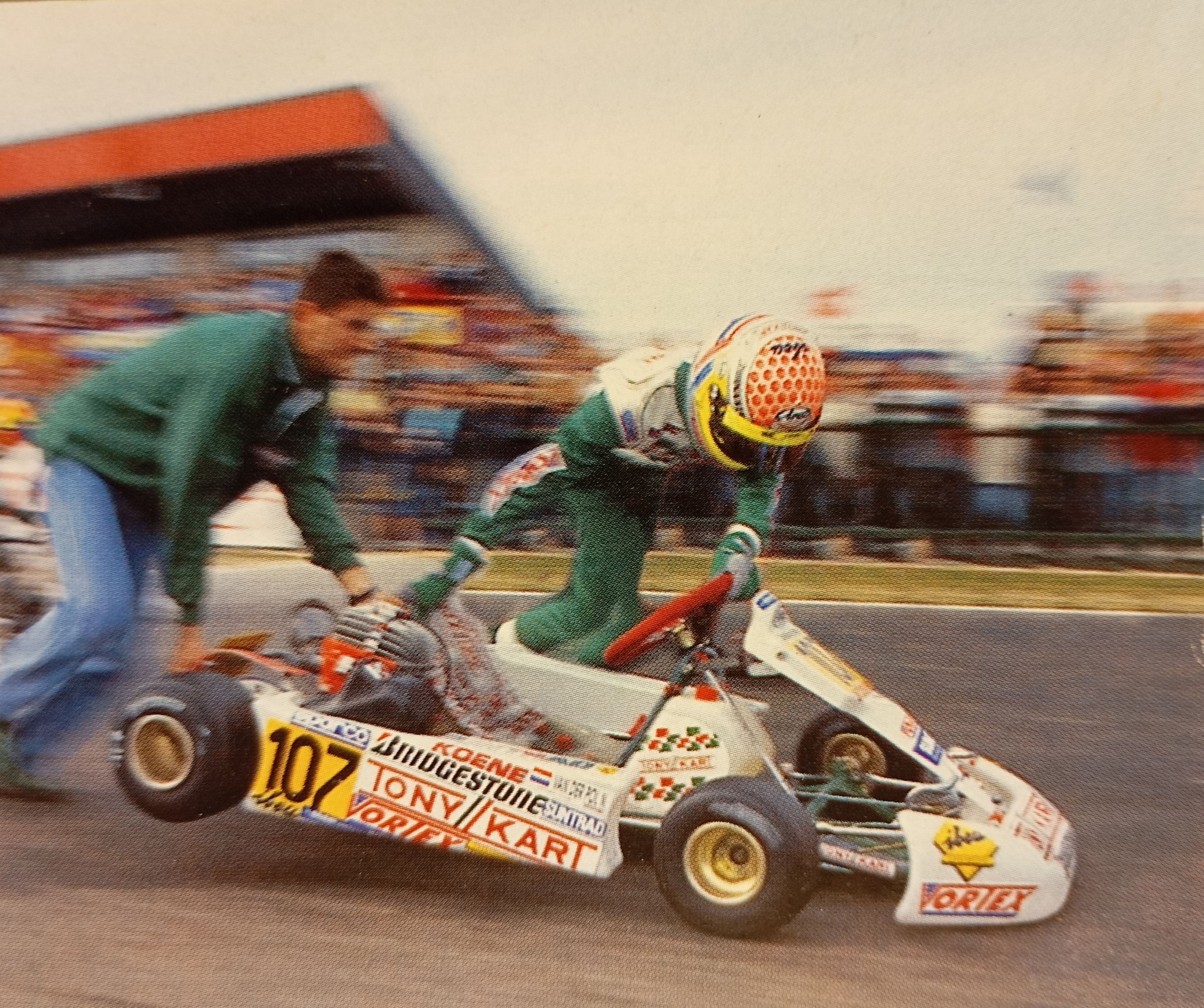
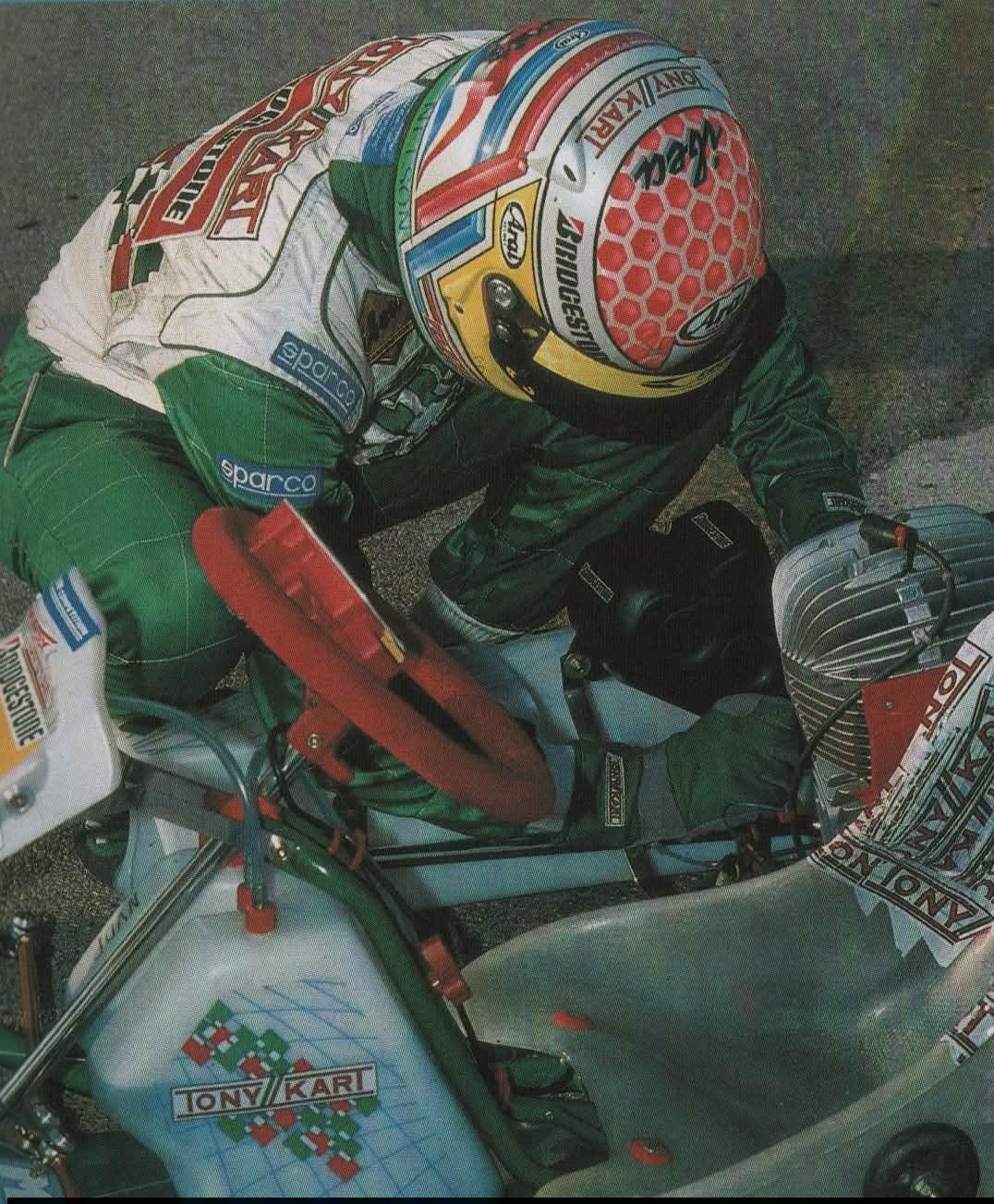
Emotion is not a coaching tool. Physics is.
Every debrief comment, every setup recommendation, every note delivered to a driver is corroborated by electronic data — sensor measurements, telemetry, and engineered numbers. If a clear answer cannot be given immediately, the data is reviewed further until it can. The truth in racing is dictated by the laws of physics, and those laws do not change to accommodate feelings.
"What makes a Top Performer human is the mistake. What makes him the greatest is his ability to repair it."